MSDS (Material Safety Data Sheet)

What Is an MSDS?
An MSDS (Material Safety Data Sheet) is a document that explains the hazards, safe handling, storage and emergency response for a chemical product. It is prepared by the manufacturer or supplier and should be available before the product is handled or shipped.
MSDS is the older name for this document. The current term in many countries is Safety Data Sheet (SDS). GHS-aligned safety sheets normally use a 16-section format. People in shipping still often say MSDS, so both names may appear in the same shipment file.
An MSDS gives product-level safety information. It is not a dangerous-goods declaration, a hazard classification and identification report or a carrier approval.

Why Shipping Needs an MSDS
A product name on an invoice does not show whether a shipment is dangerous goods. A freight forwarder, carrier or dangerous-goods specialist reviews the MSDS to understand what is inside the package and whether a full classification is needed.
Section 14 of a safety data sheet often gives transport information. A review normally looks for:
- A UN number and proper shipping name.
- A hazard class or division, if the product is regulated.
- A packing group, where one applies.
- Whether the product is a marine pollutant.
- Its physical form, flash point and other properties relevant to transport.
The sheet is a starting point, not the final classification. Sea, air, road and rail shipments follow different dangerous-goods rules. The carrier decides whether it will accept the cargo, and the shipper remains responsible for correct classification, packaging, marking, labelling and declaration.

What to Check Before Booking
The sheet must match the goods being shipped. Use the review points below as a first check:
| Review point | Why it matters |
|---|---|
| Product identity | Matches the product name, supplier, packaging and shipment details. |
| Composition | Shows ingredients or ingredient ranges that may trigger dangerous-goods rules. |
| Hazards and properties | Covers the physical form, flash point, reactivity and other safety data. |
| Transport information | May list the UN number, proper shipping name, hazard class and packing group. |
| Handling and emergency data | Supports storage, packaging, segregation and emergency planning. |
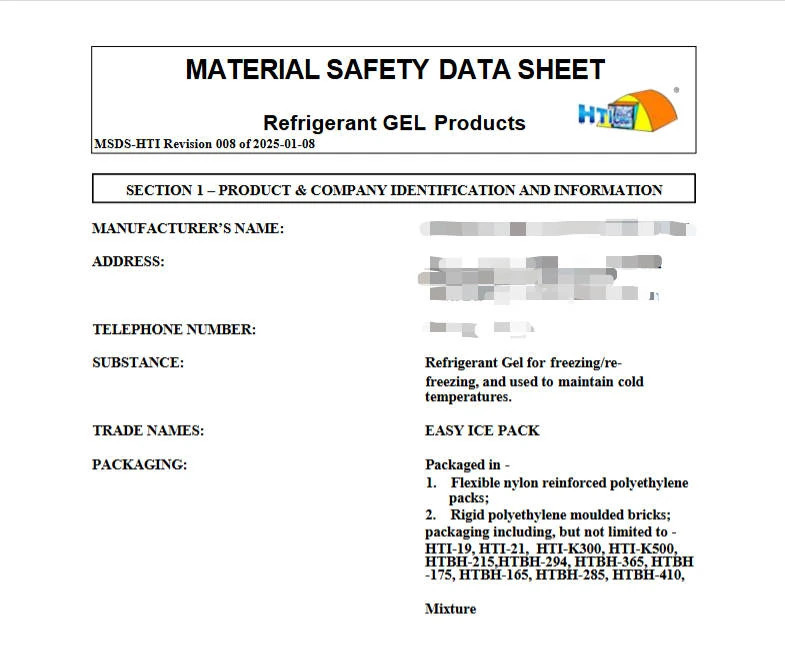
Before you send the file for review, also check that:
- The product name, manufacturer and supplier match the commercial invoice and packing list.
- The revision date is current and the document is complete.
- The carrier and destination can use the language shown.
- The composition and hazard details are readable, not blank or marked confidential without explanation.
- The transport information is consistent. If Section 14 says the goods are not regulated but the sheet shows hazards, ask the supplier to explain.
For regulated goods, book early. Carrier approval, packaging, labels, markings and a dangerous-goods declaration can take time. If the product is not regulated, the carrier may still ask for the MSDS and a non-dangerous goods certificate before it accepts the booking.
Quote UsCheck the MSDS Before You Book
Send us the current Safety Data Sheet, product name, packaging and route. We will review the dangerous-goods status and coordinate the carrier approval, documents and booking.
Get a Free QuoteThis is general information only and is not a dangerous-goods classification. MSDS and SDS rules and transport requirements vary by country, carrier and transport mode. Check the current sheet against the IMO IMDG Code, IATA Dangerous Goods Regulations or other applicable rules before shipment.