Tri-axle Chassis Fee

What Is a Tri-axle Chassis Fee?
A Tri-axle Chassis Fee is an inland equipment charge for using a chassis with three axles to move a loaded container by truck. It is common in North American drayage, where the chassis is the wheeled frame that carries the container between a port, rail ramp or final delivery address.
A standard container chassis usually has two axles. A tri-axle chassis has three. The extra axle spreads the container and cargo weight across more wheels to help the vehicle meet road and axle-weight limits.
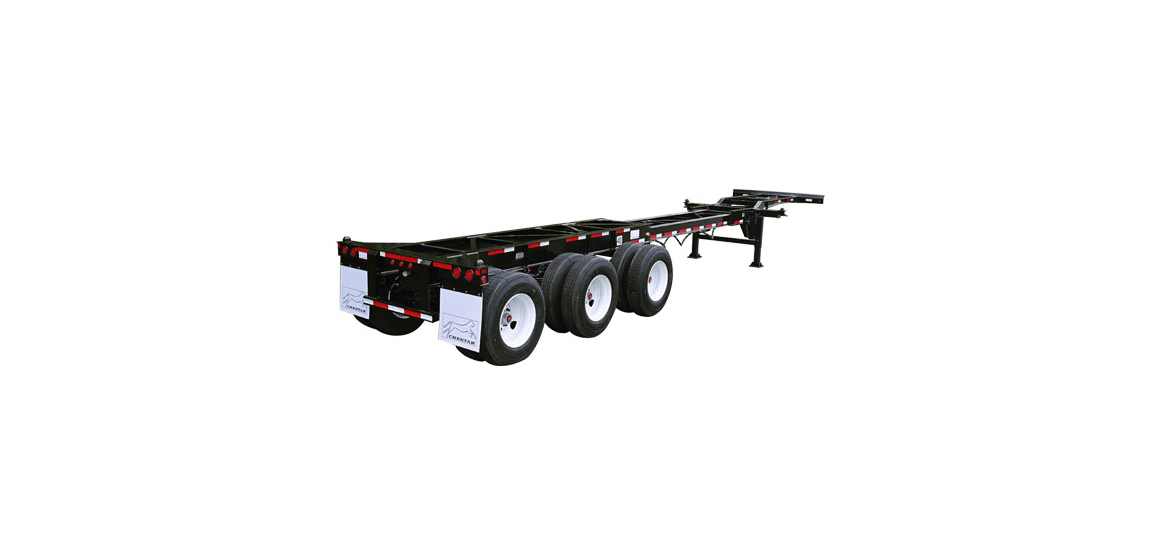
The fee is separate from ocean freight and customs charges. The drayage provider may bill it as a flat fee, a daily rate or a higher chassis rate, sometimes on top of the standard chassis charge.
When a Tri-axle Chassis Is Used
A tri-axle chassis is usually considered when a loaded container may be too heavy for a standard chassis under the road rules on the route.
Some North American drayage providers use planning thresholds of about 36,000 lbs gross for a 20ft container and 44,000 lbs gross for a 40ft container. These are screening points, not legal limits. The actual requirement depends on the route, local rules, truck setup and carrier tariff, so an upgrade may be needed below either threshold.
A tri-axle chassis fee is also different from an overweight surcharge. An overweight surcharge is charged by an ocean carrier when a booking exceeds its weight allowance. A tri-axle chassis fee is an inland equipment charge. Both can apply to the same heavy container because they cover different parts of the shipment.

How to Check the Fee
Check the fee before the container moves. Use the packed gross weight, not the cargo weight alone. Gross weight includes the cargo, packaging, pallets, securing material and container tare. Ask the drayage provider three questions:
- Which chassis is included? Confirm whether the quote assumes a standard chassis, a tri-axle chassis or either option, and whether the upgrade replaces or adds to the ordinary chassis fee.
- What is the billing basis? Check whether the charge applies per move, per day or as a flat accessorial fee.
- Which route rules apply? Ask the provider to identify the state, provincial or local weight limits that require the upgrade.
The final rate comes from the drayage company tariff and the delivery route. A general weight guide cannot replace a route-specific check.
Quote UsPrice the Inland Equipment Before It Ships
From port pickup to final delivery, we check the road limits, chassis type and accessorial charges so your quote reflects the equipment your route requires.
Get a Free Quote