Hormuz Transit Risk

Hormuz Transit Risk
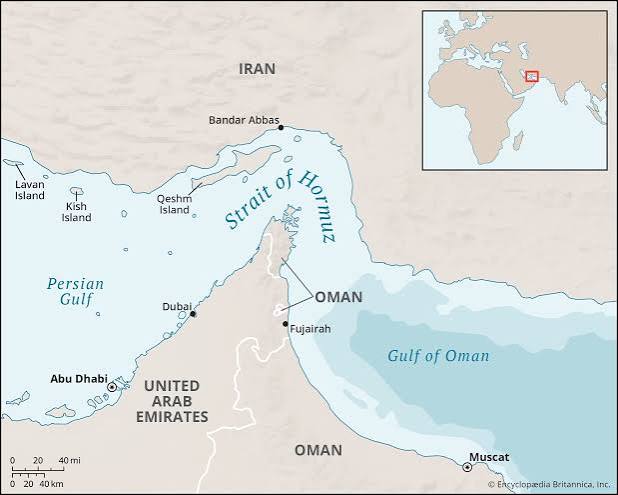
Hormuz transit risk is the exposure of any shipment routed to or from ports inside the Persian Gulf — Jebel Ali, Dammam, Doha, Kuwait, Basra — to disruption at the Strait of Hormuz. The strait is the only sea gateway in and out of the Gulf, so when regional tensions rise, carriers serving those ports face higher war-risk insurance, longer routings and schedule uncertainty that gets passed down to shippers.
The reason it matters: roughly a fifth of the world's oil moves through the 33 km-wide Strait of Hormuz, which makes it the most geopolitically sensitive chokepoint in shipping. Container services to the Gulf rarely stop transiting it entirely (unlike the Red Sea, where rerouting around the Cape of Good Hope is an option), but escalation can trigger war-risk surcharges, skipped port calls, congestion at Fujairah and spikes in bunker prices that flow into BAF.
Carriers quote the exposure under different names — Hormuz War Risk Surcharge, Gulf Transit Risk or a Middle East Conflict Surcharge — and like the Red Sea risk premium, it is a floating charge that can appear, disappear and change with little notice.
For shippers the takeaway is simple: when booking Gulf-bound cargo during a period of tension, ask whether war-risk premiums are included in the quote, whether the vessel still calls at your discharge port, and how long the quote stays valid. A quote that ignores Hormuz transit risk is not the full all-in rate.
Quote Us